
The world, as we know it, is changing fast and it makes no sense. Doomsayers predict artificial intelligence is as...
Read More
Anyone for cricket? It’s World Cup time again

The late Robert Mugabe once famously described cricket as “a civilising influence.”
It “creates good gentlemen. I want everyone in Zimbabwe to play cricket. I want ours to be a nation of gentlemen,” he went on.
Mugabe, once something of an Anglophile, was official patron of the local game and a keen follower, watching matches from the VIP balcony at the Harare Sports Club, a stone’s throw from his state offices.
Then politics came into play during the World Cup tournament of 2003. Two players wore black arm bands to protest what they called the death of democracy in Zimbabwe.
It hasn’t been the same since. Meanwhile, cricket has become a major global and money-making phenomenon for most former British territories where it was originally taught.
Twenty countries are competing in the current T20 World Cup hosted by India and Sri Lanka that ends on March 8. Those not normally associated with a cricketing history in its traditional setting include Italy, the Netherlands, Canada and the United States.
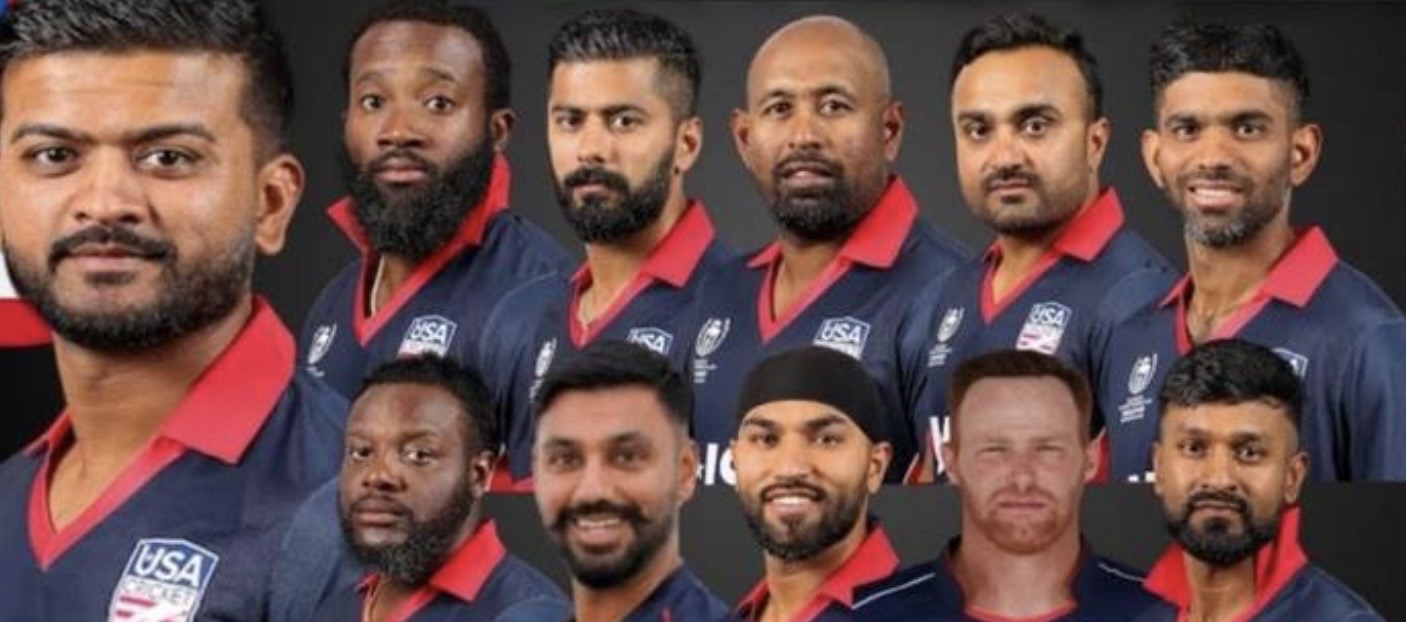
The American squad is made up almost entirely of immigrants of colour from former British colonial regions where Mugabe’s “civilising influence” once echoed.
For followers this year, it is said the strength of West Indies lies in their bowling, and batting is India’s strength, because that’s how the Brits encouraged their skills. Players in the Caribbean were more comfortable throwing a ball than hitting one. Asian nations were better performers with a bat.
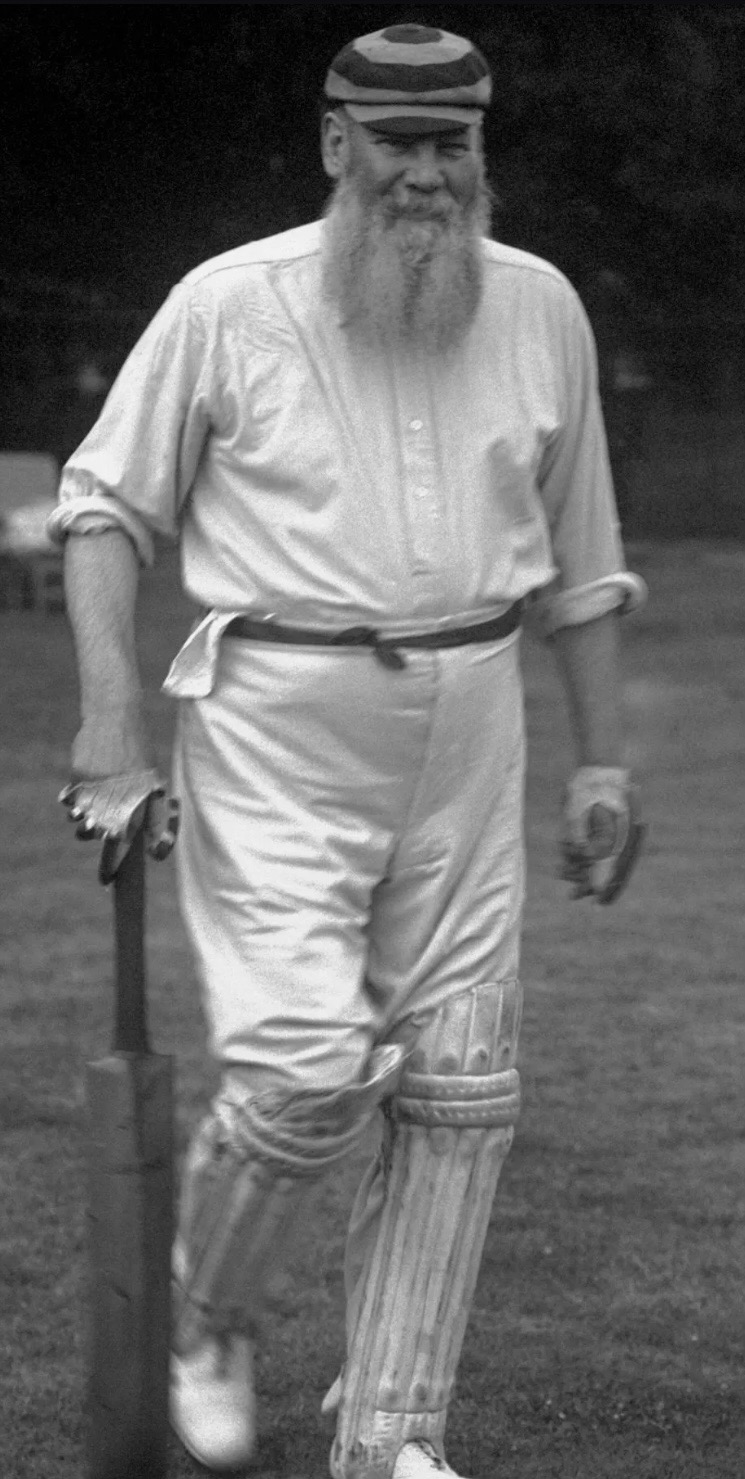
Big Daddy of the game, since 1865. W.G. Grace
In the so-called gentleman’s game of cricket, and in most professional sports today, there’s unbridled betting, match fixing claims and sheer bad sportsmanship.
At all important cricket fixtures, mysterious figures are always to be seen in the stands working an array of phones and electronic gadgets for ball-by-ball bets well ahead of the end result.
By the way, the long form of cricket, the five day Test match, can end in a draw, something that truly baffles Americans. How can you play a sport for five days and not have a winner?
Apart from tennis, American sporting encounters seldom last longer than 90 minutes.
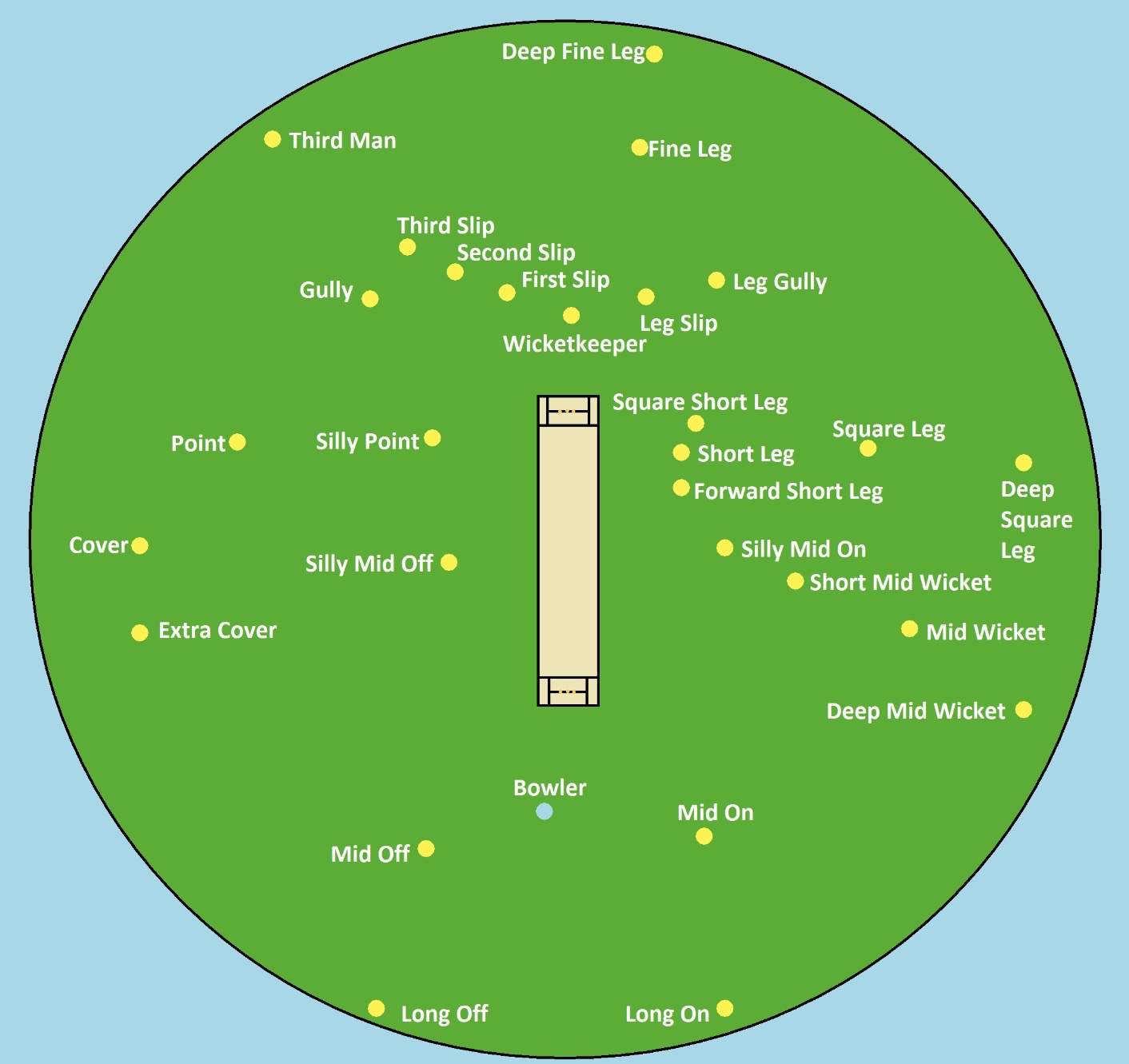
The diagram below explains what on earth cricket commentators are talking about. These are fielders’ positions in play: Silly Mid On, Silly Mid Off, Square Leg, Forward Short Leg, Third Slip, Leg Gully and so on.










Cricket has always baffled me, but having been involved in a pickup game in a park in India years ago that involved the children of house servants, students and businessmen who put their briefcases on the sidelines and rolled up their shirtsleeves to join in (and made a cheerful effort to teach my then small son and I how to play), I can see why and how it is indeed a game played by gentlemen, no matter what their worldly status.
The diagram tells me why I will never understand it,but wish a pox on those betting agencies and greedy swine who degrade it.