

A total eclipse happens when one celestial body blocks the light of another. Down on earth, a once successful economy...
Read More
Freedom fails to deliver

What on earth is freedom?
It is usually defined as freedom of expression, freedom of worship, freedom from fear and freedom from want.
Where on earth is it to be found? That’s the big question.
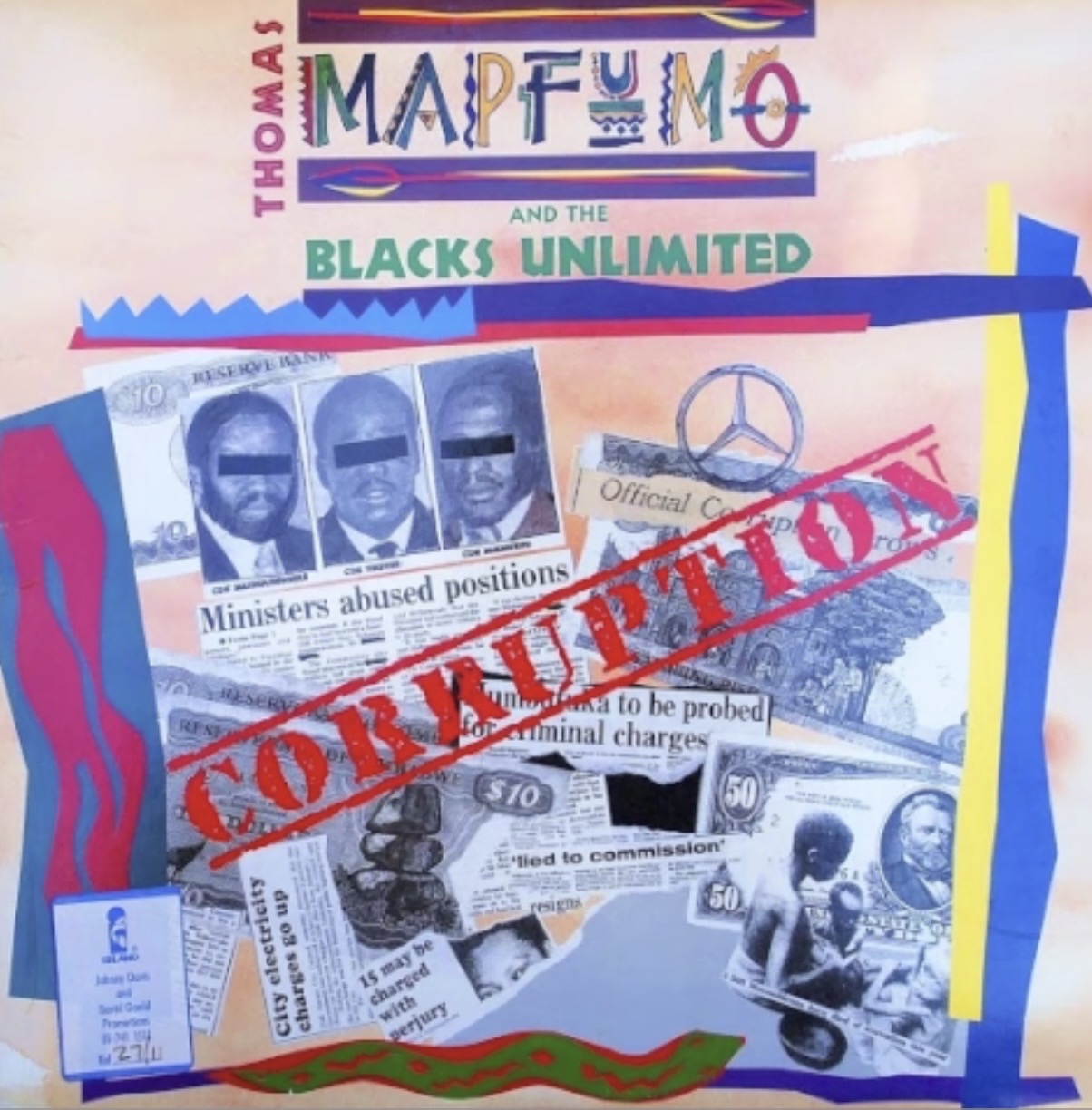
Outside the burning world of present times, in the heartlands of Africa freedom was bitterly fought for. But it has been betrayed by mis-governance and the abuse of power for private gain, leading to the destruction of state institutions, education, health care and public services.
Here in Zimbabwe government hospitals and local clinics face acute shortages of medical staff, drugs and routine care facilities.
Interestingly, official statistics have now come out showing 90 percent of the 16 million population don’t possess any form of medical insurance.
 Instead, they can only afford funeral policies that range between US$1.00 and US$ 10.00 a month, compared to medical cover that starts at around US$100.00 monthly. Most families survive on under US$ 3.00 a day earned from street vending and informal activities. Fewer than 1 million Zimbabweans have formal jobs.
In age-old local culture dignified funerals are vital and evidently more important than staying alive, leaving the majority only the freedom to die in the absence of equality, human rights, justice and fair play.
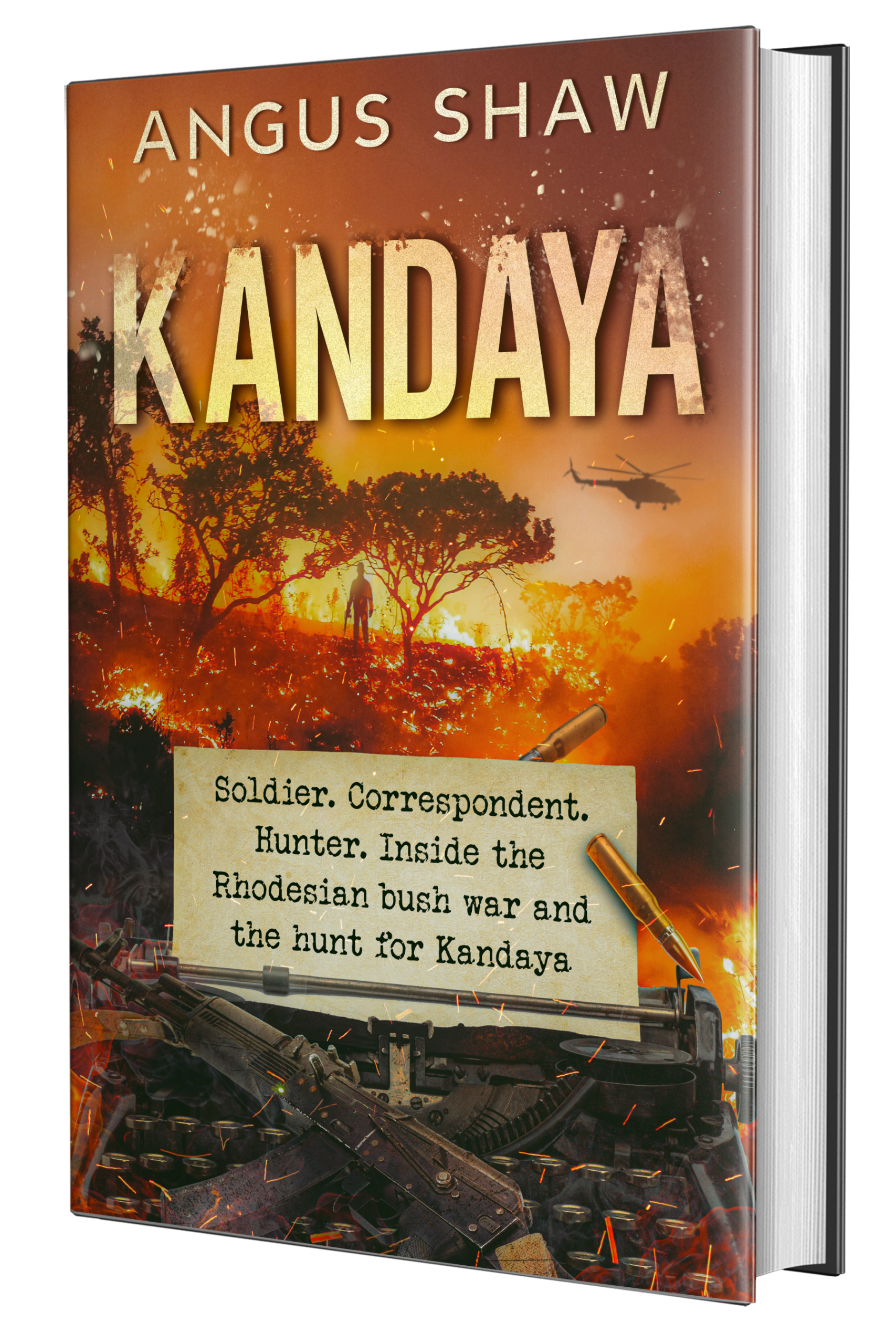
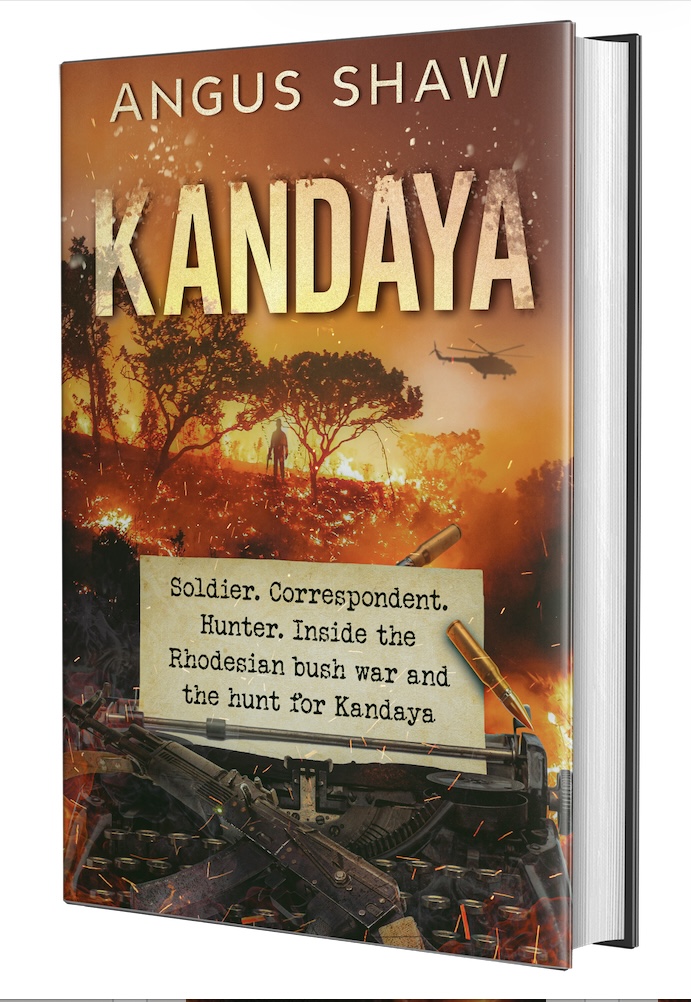
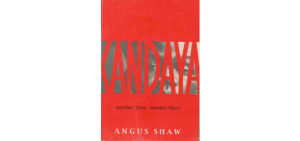
Here is one of my takes on freedom in the prologue to my book Kandaya, now on Amazon. Take a brief moment to have a look …
I often used to wonder how Kandaya felt when we were closing in on him or his people. Sometimes they didn’t have a chance because we had the helicopters, the radios, the superior firepower. You name it, we had it.
But Kandaya had stealth on his side. Some said he had the moral high ground too. Don’t get me wrong. He’s a black oke, right. My kin came to this part of the world with the early European settlers and, quite frankly, all of this was really none of my doing, none of my choosing.
Yet we were stuck with it now, Kandaya and me. Somehow we had to resolve what my people began with his.
He lay in ambush for me. I lay in ambush for him. I doubted whether his killing me would do anything to alter the course of history. I doubted my killing him would either. Bigger forces were at work.
We were about the same age, Kandaya and me, and we grew up in roughly the same area. The bones of his father were buried in the same soil that held the ashes of mine.
Sure, I played with black kids when I was small, but Kandaya wasn’t one of them. You’re not about to hear any sentimental shit about childhood friends turned enemies by the racial divide that only appeared before them once they’d grown up.
I first met Kandaya when we were in our mid-twenties. By no means was he a friend and it’s even stretching it a bit to call him an acquaintance. He worked for someone I knew. The words we exchanged were greetings on the stairs or just those aloof messages you pass over the phone. I knew nothing about him or his family, but that wasn’t unusual the way things were then.
Kandaya seemed to be a diligent helper and errand-runner for the radical lawyer from whom he got his first job – and, presumably, his first inkling of what lay ahead for both of us.I worked for the local paper and my duties frequently took me to see the lawyer-politician. His kidnap and murder a little later undoubtedly had an impact on Kandaya. I understood how the need for revenge can lie deep in a man’s soul.
Out there in the bush, I pictured Kandaya watching me on the occasions I went to see the lawyer. I imagined him deciding that even if words could ultimately settle the issue between us, he didn’t have a stomach for long-winded debate. He wanted a quick and violent revolution.
Through the valleys and the forests, through the vleis and the scrub, through the fields and the kopjies, the impatience of Kandaya’s deeds spoke of a man reconciled with the prospect of death – his own as well as many others – as a means towards some greater goal. There he had one over my side, for we were fighting to survive. Dying was not useful when you were trying to save the white way of life.
As unknown voices carried through the brittle bush at night, I used to think of heroism too. Mine, that I was there at all. Theirs, that they were ready to die for a concept of freedom that for many was at best unclear. But Kandaya’s was the drastic heroism of a zealot.
I often used to wonder how Kandaya really felt when our air strikes went in, pinning him down. Or when we outnumbered him and he went to ground just as the ancient Chinese rules of guerrilla warfare said he surely must.
I wondered also whether the fickle mistress history might not be the last and only victor. She told us that revolutionary sacrifices were often squandered in the end. That could already be seen all over the world. Revolutionaries became dictators.
I had a hunch Kandaya wasn’t much interested in history though. He seemed more consumed by the fire of the moment. If you accept the necessity of war, you have to accept the need to kill and the need to die. You have to accept that peace is a far-away place you may never reach…
Book link to Amazon:


Wise words my old mate. And I loved the book, not because it was an easy read, but because of the brittle, gritty truths it spoke.