
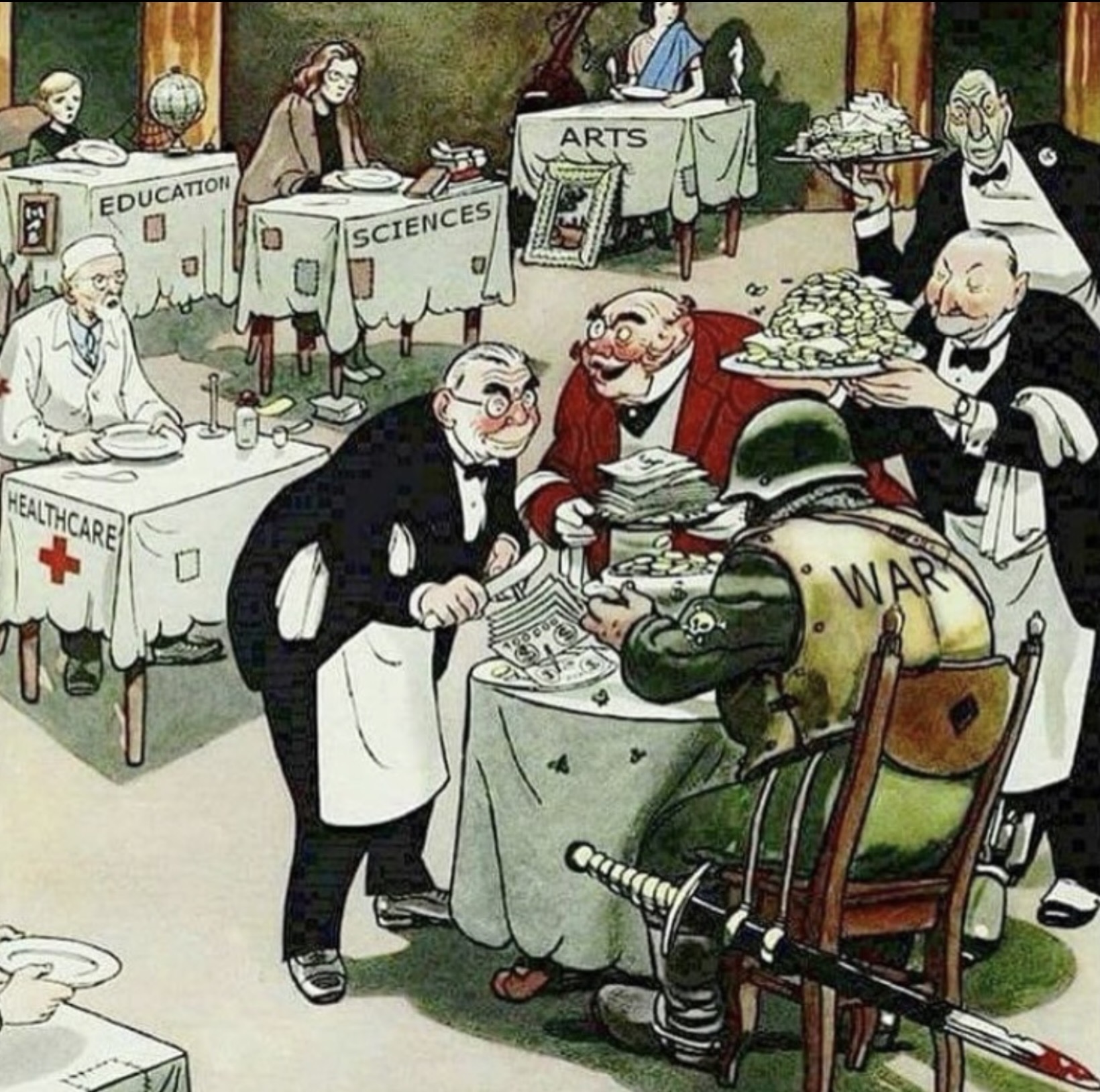
The world, as we know it, is changing fast and it makes no sense. Doomsayers predict artificial intelligence is as...
Read More
Remembering Iran’s Supreme leader
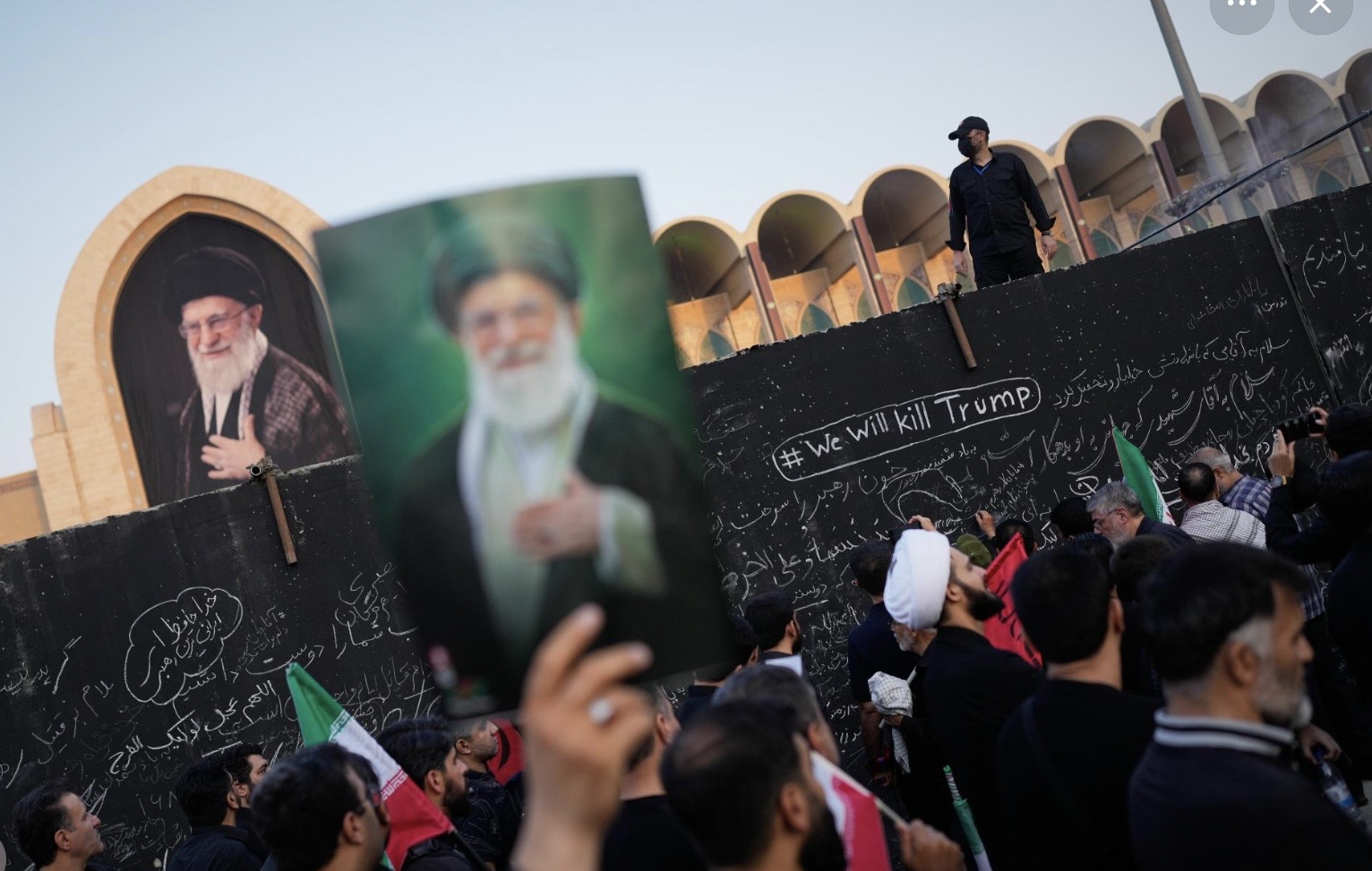
The Ayatollah’s funeral this week
Ayatollah Ali Khamenei must have been relieved to arrive home in fundamentalist Teheran after his Zimbabwe trip in 1986, safe at last from the effrontery of wine, women and song.
The Iranians boycotted a state banquet in Harare because women were mingling too freely with men, there was wine on every table and they didn’t like the ”loose songs” – love songs – being played by the police band during the warm-up to the banquet.
When the Iranians failed to take their seats, the Zimbabweans went ahead and enjoyed their dinner all the more without having to make polite diplomatic and ‘alcohol dry’ conversations.
The whole trip turned out to be awkward for the hosts. On his arrival Khamenei refused to shake hands with two female cabinet ministers in the welcoming line-up at the airport. His later flight to the famed Victoria Falls was laid on with only male stewards aboard on the request of the Iranians. All alcoholic drinks had been removed from the plane.
The Iranians toured the falls and were photographed at a crocodile-breeding farm. There were anxious moments when other tourists appeared in full force — most of the women in bikini tops and very very short shorts.
Though Khamenei stayed at the government guest house, other members of his delegation were put up at the then-Sheraton five star hotel in Harare where they showed little of the Islamic restraint expected of them by their leader.
A guest on the same floor of the hotel told me the carousing and merriment went on into the small hours of the morning. Their spirits were high, with one Iranian swaying unsteadily down the corridor, obviously intoxicated by the beautiful view of our capital city from above and fatigued by the whirl of the day’s formal itinerary.
Women who went to Khamenei’s farewell press conference were supplied with scarves and hijab head gear. An Iranian asked for the telephone number of a Harare-based woman journalist so he could visit her ”during the night.” She graciously declined, saying she didn’t want him to risk being beheaded for immorality when he got home.
In the aftermath of the ill-fated banquet, the Iranian embassy took out advertisements in the local press trying to explain their dining requirements that were made crystal clear in exchanges of official diplomatic notes long before the Ayatollah’s arrival.
It was all a matter of obeying the laws of Islam on alcohol and protecting the “sanctity of women,” said the ads. In the West women were mentally and physically abused and had even been “cannibalised” in Australia, declared the advertisements
The National Archives in Canberra soon pointed out that the precise reference quoted by Iran came from hearsay accounts of aboriginal flesh-eating rituals by explorers Down Under that one little-known French diarist, Albert Montemont, picked up on and published in Paris in 1833. “We are torn between puzzlement and admiration as to how the Iranians managed to find such obscure material,” said the Australians.



As always, thanks for a highly informative and entertaining perspective on international exchanges. The piece is loaded with wonderful details, and a delightfully pithy quote from the Harare-based woman journalist. (I think I might just know who said that.)
Glorious